
Jaw tension, facial soreness, recurring headaches, and difficulty chewing can interfere with far more than your oral health. These symptoms may affect how comfortably you speak, sleep, eat, and move through your day. At Keller Family Dentistry, Sleep & Facial Pain, orthotic appliance oral device treatment is designed to address the mechanical factors contributing to jaw discomfort rather than simply covering up symptoms. By carefully evaluating your bite, jaw joints, muscles, and patterns of movement, our team can create a personalized oral device that supports healthier function and allows strained tissues to recover. Patients throughout Keller, TX, can receive thoughtful care focused on comfort, stability, and long-term improvement.
How Orthotic Appliances Relieve Jaw Strain
The temporomandibular joints connect the lower jaw to the skull and must work together whenever you chew, swallow, speak, or yawn. When the jaw is not moving evenly, the surrounding muscles may compensate by working harder than they should. Over time, this strain can contribute to tenderness, stiffness, clicking, restricted movement, and discomfort that spreads into the face, temples, neck, or shoulders.
An orthotic appliance is designed to create a more stable relationship between the teeth, muscles, and jaw joints. Depending on your needs, the device may guide the jaw toward a position that reduces muscle overactivity and decreases unnecessary pressure within the joints.
Unlike a basic mouthguard, an orthotic appliance is created according to detailed information about your individual bite and jaw function. Its shape and contact points are intentionally planned so that the jaw can rest and move with less resistance. This can help calm overworked muscles and reduce the cycle of tension that often keeps symptoms active.
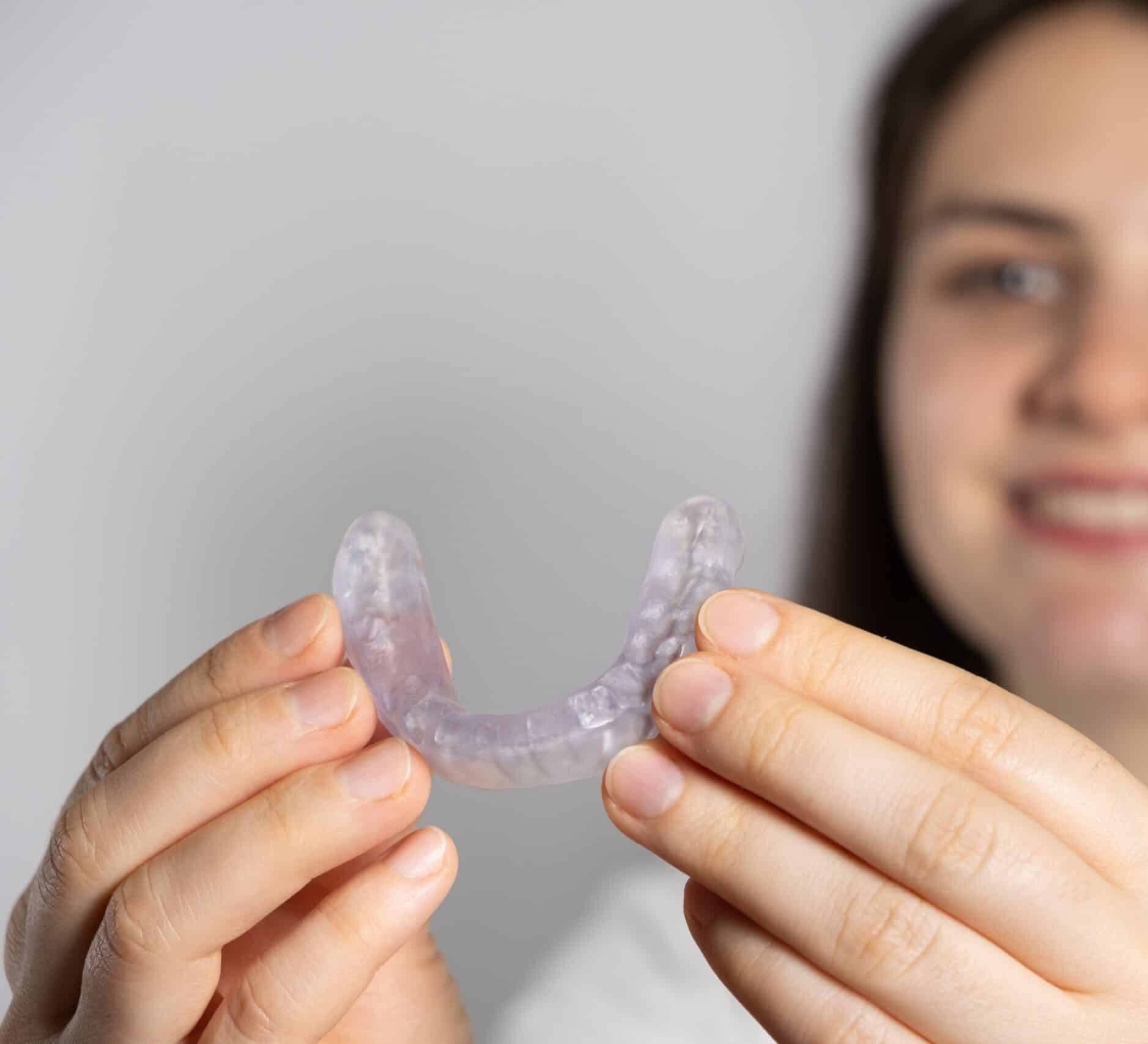
Custom-Fit Oral Devices For TMJ
No two patients experience temporomandibular joint concerns in the same way. One person may notice popping and tightness, while another may experience headaches, facial fatigue, ear-area pressure, or difficulty opening the mouth fully. Because the causes and symptoms can vary, an effective appliance should be based on a comprehensive evaluation rather than a one-size-fits-all design.
At Keller Family Dentistry, Sleep & Facial Pain, your assessment may include a review of your symptoms, dental history, bite relationship, jaw range of motion, muscle tenderness, and patterns of joint movement. Digital imaging or x-rays may also be recommended when additional information is needed to understand the condition of the teeth, joints, or surrounding structures.
Your oral device is then fabricated to match the contours of your teeth and the functional position selected for your jaw. A secure, precise fit helps the appliance remain stable while you wear it and allows the intended contact points to guide jaw movement effectively. The goal is not simply to place material between the teeth. It is to create an appliance that responds to the specific way your jaw functions.

Improving Bite Alignment & Function
Your bite involves more than whether your upper and lower teeth appear straight. It also includes how the teeth contact during closure and how the jaw moves from side to side and forward. When certain teeth make contact too early, or the jaw repeatedly shifts to find a comfortable position, the muscles and joints may be placed under additional stress.
An orthotic appliance can provide a temporary, controlled surface that helps distribute biting forces more evenly. This may reduce interference from uneven tooth contact and allow the jaw muscles to function without repeatedly compensating for an unstable bite.
As treatment progresses, our team evaluates how your jaw responds to the appliance. Changes in muscle tenderness, range of motion, bite comfort, and symptom frequency can offer valuable insight into the role your bite may be playing. This information can also help guide future care when worn teeth, missing teeth, damaged restorations, or other dental concerns are affecting overall function.
Reducing Teeth Grinding & Clenching
Teeth grinding and clenching can occur during sleep, periods of concentration, stressful situations, or without the patient realizing it. These habits may place significant force on the teeth, jaw joints, and facial muscles. Common signs can include flattened tooth surfaces, chipped enamel, sensitive teeth, tightness upon waking, and recurring headaches.
A custom orthotic appliance creates a protective and carefully balanced surface between the upper and lower teeth. This barrier can reduce direct tooth-to-tooth wear while also helping limit the muscle activity associated with an unstable or strained jaw position.
Although an appliance cannot always eliminate the neurological or behavioral triggers behind grinding, it can reduce the physical consequences and make harmful patterns easier to identify. Treatment may also include discussing daytime clenching awareness, sleep quality, stress-related habits, posture, and other factors that influence muscle tension.
The device should be viewed as part of a broader management plan rather than simply a shield for the teeth. Protecting the enamel is important, but reducing the strain placed on the entire jaw system is often equally valuable.
What To Expect During Treatment
Treatment begins with a detailed conversation about what you are experiencing. You may be asked when your symptoms began, what makes them better or worse, whether they change throughout the day, and how they affect eating, sleeping, or daily activities. These details help our team distinguish between occasional muscle fatigue and a more persistent functional concern.
Your examination may involve checking how widely and smoothly your jaw opens, observing whether it shifts during movement, identifying sensitive muscles, and evaluating how your teeth come together. Once an orthotic appliance is recommended, impressions or digital scans are taken to capture an accurate model of your teeth.
After the appliance is fabricated, you will return for placement and adjustment. Our team will confirm that it fits securely and that the planned bite contacts are functioning as intended. You will also receive clear instructions regarding:
- When and how long to wear the appliance each day.
- How to insert and remove it without damaging the device.
- How to clean and store it between uses.
- Which changes or concerns should be reported promptly?
Follow-up appointments are an important part of treatment. Your bite and muscle response may change as tension decreases, so the appliance may require careful adjustments to continue supporting the jaw correctly.

Adjusting To Your Appliance
It is normal for a new oral device to feel noticeable at first. You may experience increased saliva, mild pressure against certain teeth, or temporary changes in speech. These effects often improve as your mouth becomes accustomed to the appliance.
Consistency is important during the adjustment period. Wearing the device according to the prescribed schedule allows the jaw muscles and joints to respond to the new support. Removing it frequently because it feels unfamiliar may make adaptation take longer and can make it difficult to evaluate whether treatment is helping.
An orthotic appliance should not cause persistent tooth soreness, tissue irritation, or a significant worsening of symptoms. Contact our team if the device feels loose, creates a sharp pressure point, affects your bite for an extended period after removal, or becomes damaged. Small refinements can often improve comfort while preserving the therapeutic design.
Patients should also avoid altering the appliance at home. Filing, bending, heating, or reshaping it can change the way forces are distributed and may reduce its effectiveness.

Long-Term TMJ Management
Temporomandibular joint concerns often require ongoing attention because jaw function can be influenced by several interacting factors. Stress, sleep patterns, posture, dental wear, missing teeth, previous injuries, and daytime habits may all contribute to recurring tension.
Long-term management begins with understanding your individual triggers and recognizing early warning signs. Your care plan may include continued appliance use, periodic adjustments, restorative dental care, changes to daily habits, or collaboration with other healthcare providers when appropriate.
Helpful strategies may include maintaining a relaxed resting jaw position, avoiding prolonged gum chewing, taking breaks during activities that encourage clenching, and using care when eating, especially firm or chewy foods during a symptom flare. Follow-up visits allow our team to inspect the appliance for wear, evaluate changes in your bite, and determine whether your current treatment plan continues to meet your needs.
The purpose of long-term care is not only to respond when symptoms return. It is to preserve healthier movement, protect the teeth, and reduce the likelihood that smaller issues will develop into more disruptive problems.
Thoughtful Jaw Care At Keller Family Dentistry, Sleep & Facial Pain
Choosing an orthotic appliance requires more than selecting a generic device from a shelf. It requires a careful understanding of how your teeth, joints, and muscles work together. Keller Family Dentistry, Sleep & Facial Pain provides individualized evaluations and custom-made oral devices for patients seeking a clearer path toward improved jaw comfort and function.
Our approach emphasizes precise diagnosis, ongoing observation, and adjustments based on how your body responds. Whether you are dealing with clenching, grinding, facial tension, or changes in jaw movement, our team will take the time to explain the findings and help you understand each stage of care. Contact Keller Family Dentistry, Sleep & Facial Pain to schedule an evaluation and learn whether an orthotic appliance may support healthier jaw function in Keller, TX.